We fund humans, not agendas.
An operating system for united action. Come join us.
Sign up for the survey


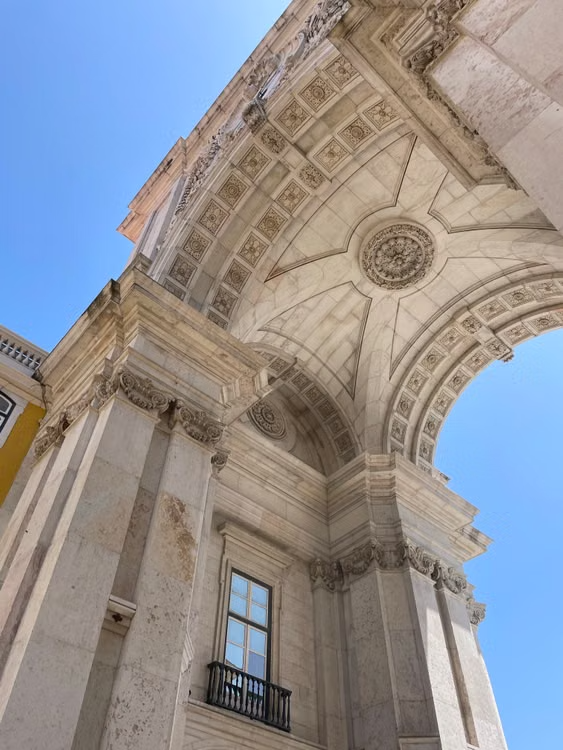
The name Fundação PI carries three layers of meaning. In mathematics, pi relates a circle to its own measure, a constant without end. The circle is among the oldest symbols of wholeness: metaphysically it stands for unity, socially for the gathering of equals around a shared center. In Portuguese, PI abbreviates “Porque Importa,” because it matters, naming the foundation's reason for acting before any strategy does.
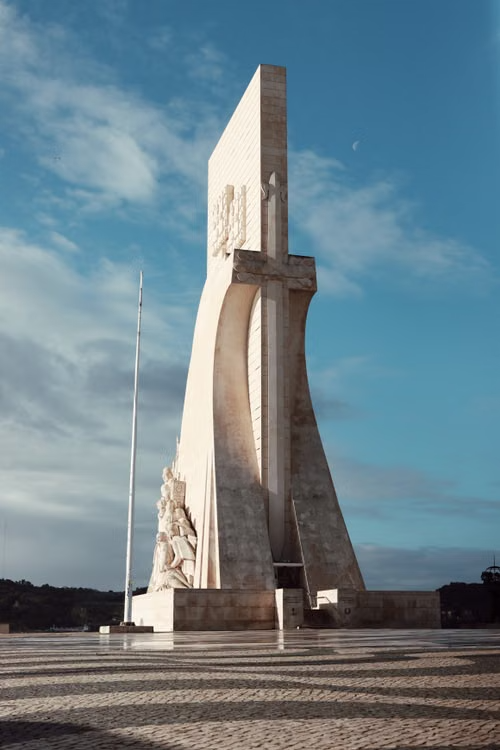
Recognition on paper is worth something. A door that locks, a wage that arrives, a witness who can still be found two years later — those are worth more. The Pi Foundation works on the second list.
The spiral is how we organise ourselves. Seven turns, each resting on the one under it, each with people answerable for it. Nobody is dropped in at the top, and nobody is left at the bottom.
Turn six shows the other side: seven places in Portugal, held by the people who use them. The map is public because a register only anyone can read is a register that survives the next council.
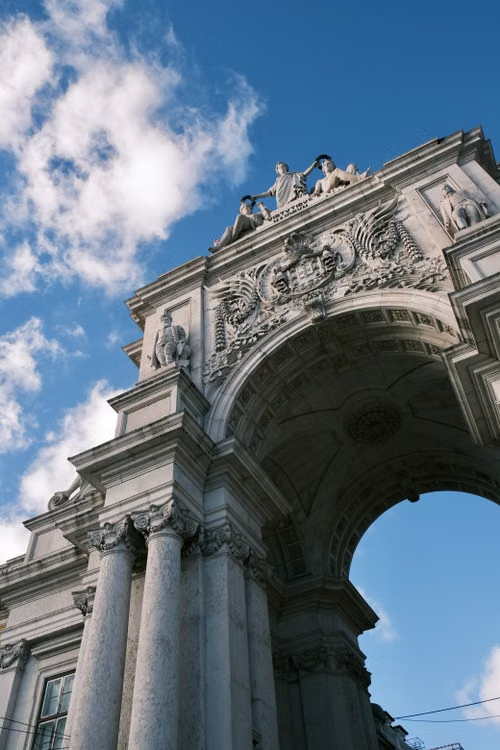
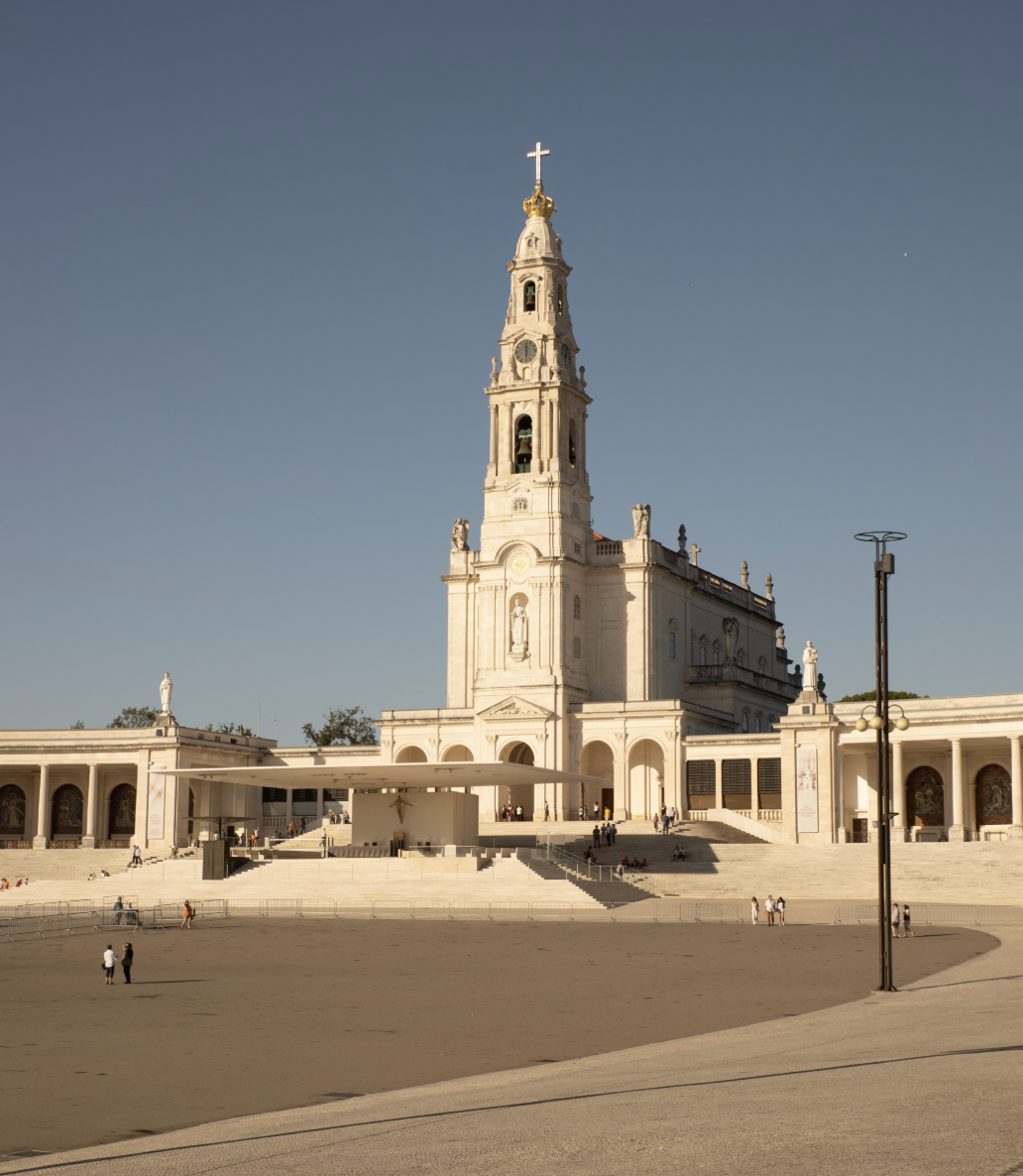
A monument is only a promise in stone. The work is whether anyone keeps it.
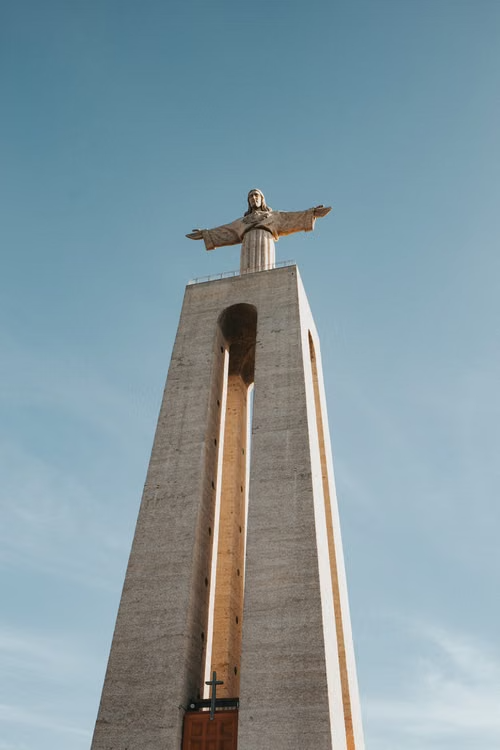
Every turn of the spiral begins the same way: people standing close enough to hold each other in view, and answerable to the ones beside them.